Volatile demand
Fixed costs continue while production plans remain exposed to order volatility and seasonal demand.
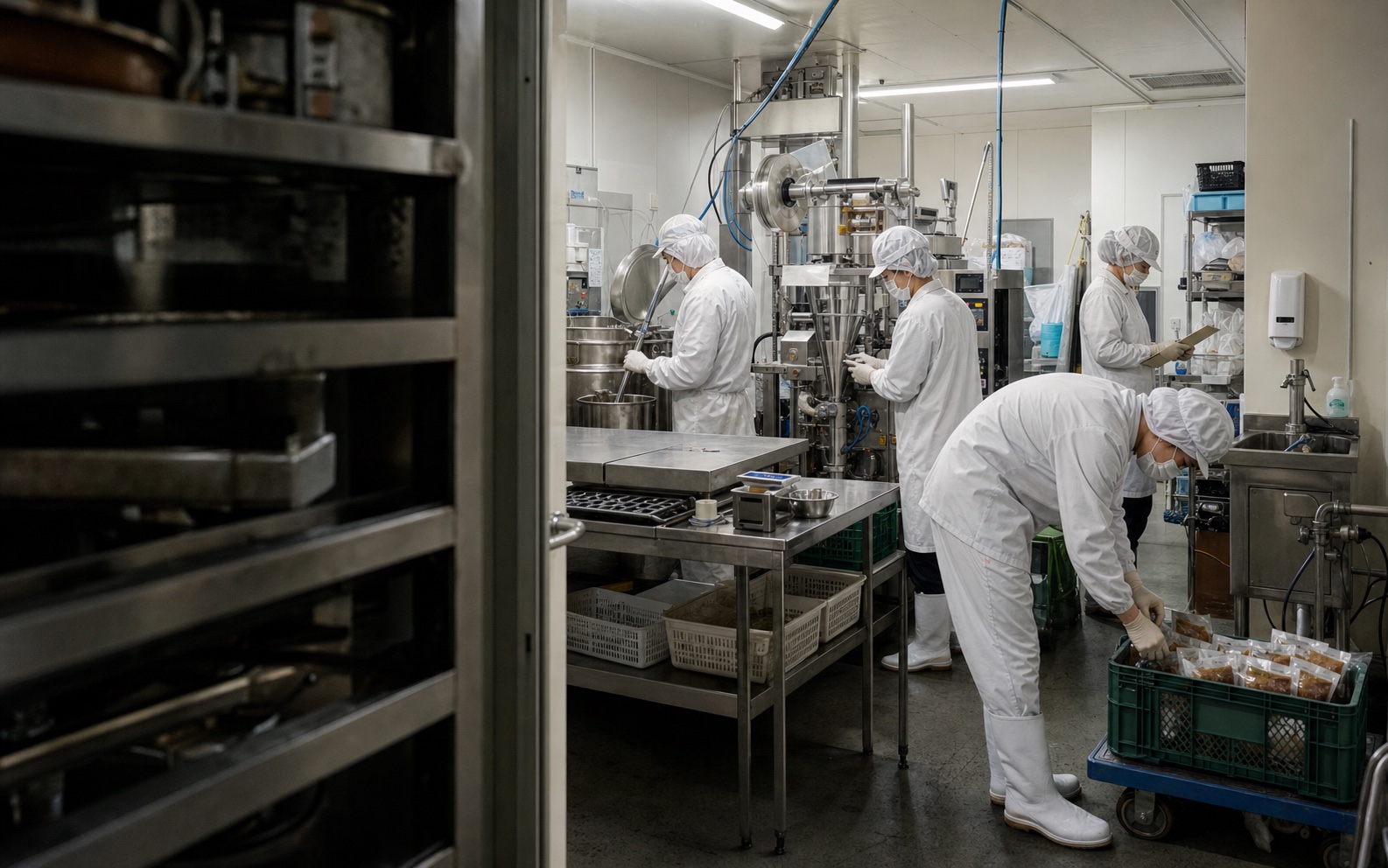
CONNECTED FOOD MANUFACTURING
LEVEL FACTORY structures your capability, quality controls, and capacity for qualification and opportunity matching.
THE STANDALONE GAP
Even with the right equipment and experience, a standalone factory must repeatedly handle business development, product interpretation, production setup, and quality documentation.
Fixed costs continue while production plans remain exposed to order volatility and seasonal demand.
Every new product restarts specification review, costing, trials, and work instructions.
Strong processes and available capacity remain difficult for buyers to discover and compare.
The gap is not factory capability. It is how that capability is discovered, qualified, and connected.

We begin by reading the factory you already have before changing how it operates.
LEVEL FACTORY
LEVEL FACTORY turns fragmented information into a reviewable factory profile covering production scope, operating conditions, quality controls, and available schedules.
The system interprets product requirements and factory capability in one structure, preparing the information needed to assess production fit.
Translate ingredients, process, quality, packaging, and timing into executable production standards.
Structure equipment and experience as product specific capabilities and constraints.
Verify execution through site review and a limited pilot, not documents alone.
After qualification, review potential opportunities when product, timing, and capability align.
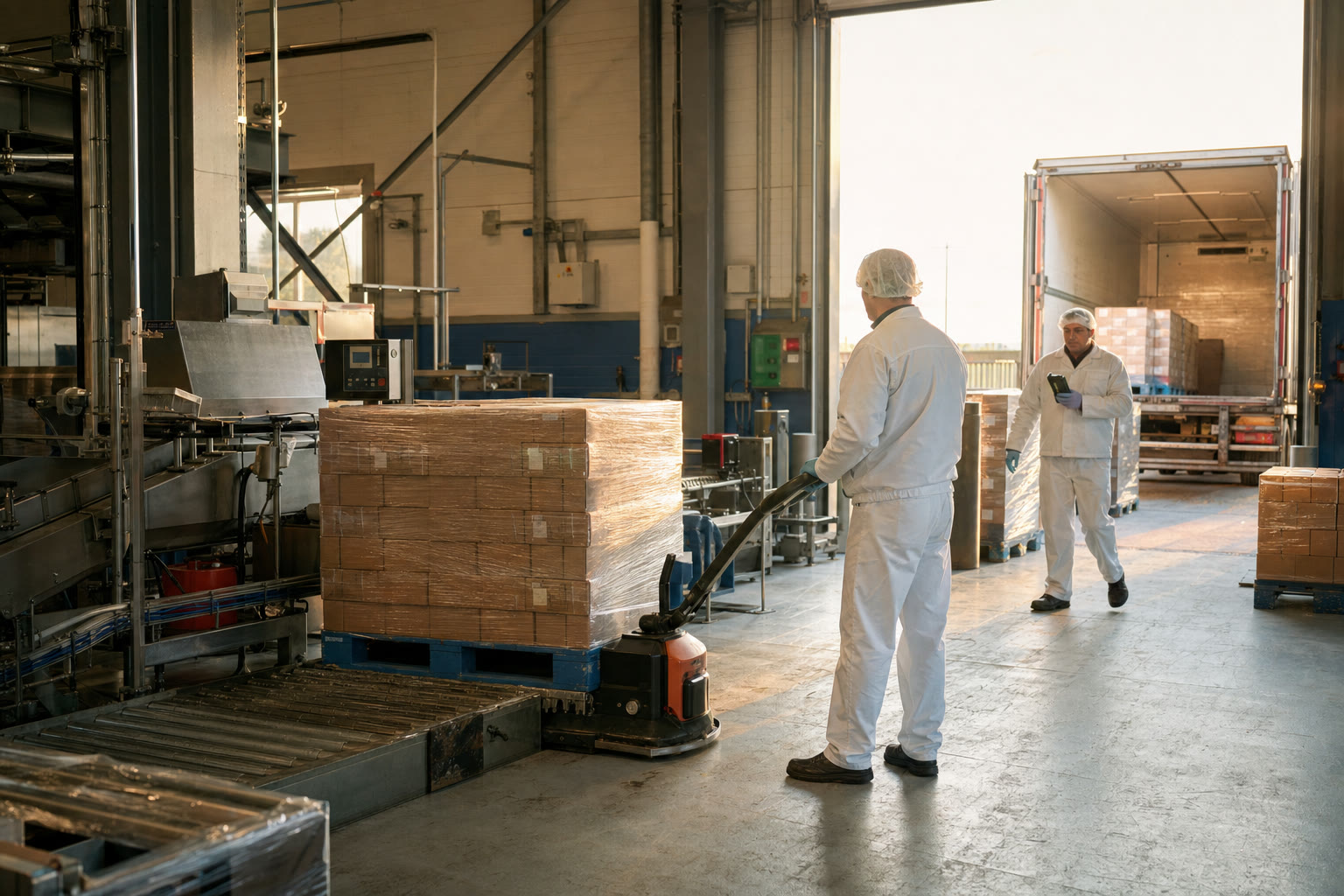
CONNECTED MANUFACTURING NETWORK
LEVELCOOK calls this operating model Grid Factoring. It turns independent factories into standardized production nodes, then composes the right capabilities for each product requirement.
Opportunities depend on qualification scope, available schedules, product fit, and individual commercial terms.
ENTERING GRID FACTORING
LEVEL FACTORY translates factory experience and equipment into a shared manufacturing language, then qualifies execution with one product before preparing the factory to join Grid Factoring.
STANDALONE MODE
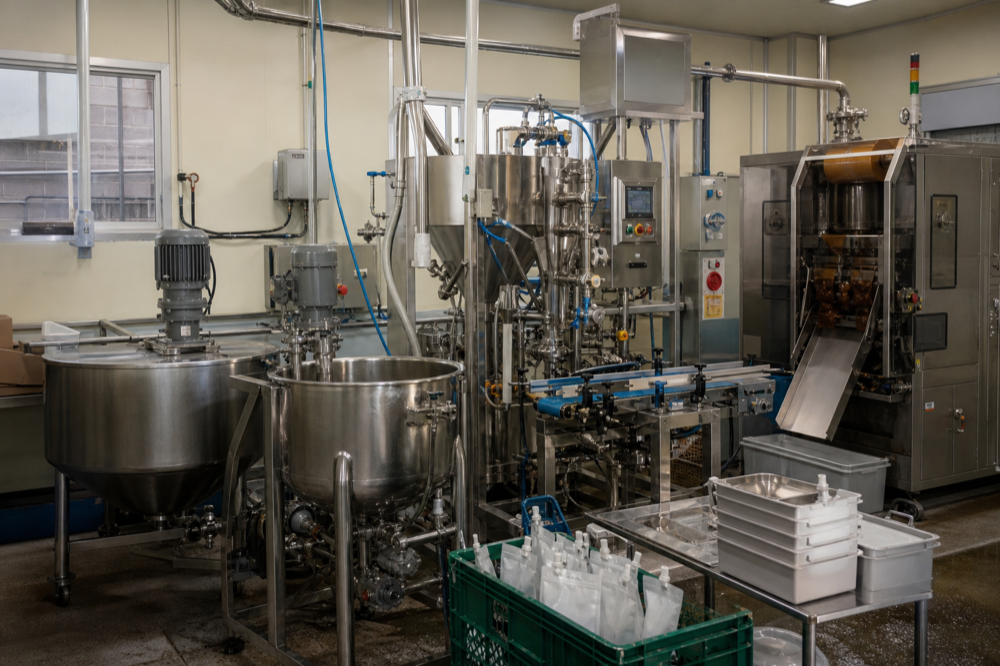
LEVEL FACTORY BLOCK ENGINE
LEVELNETWORK MODE
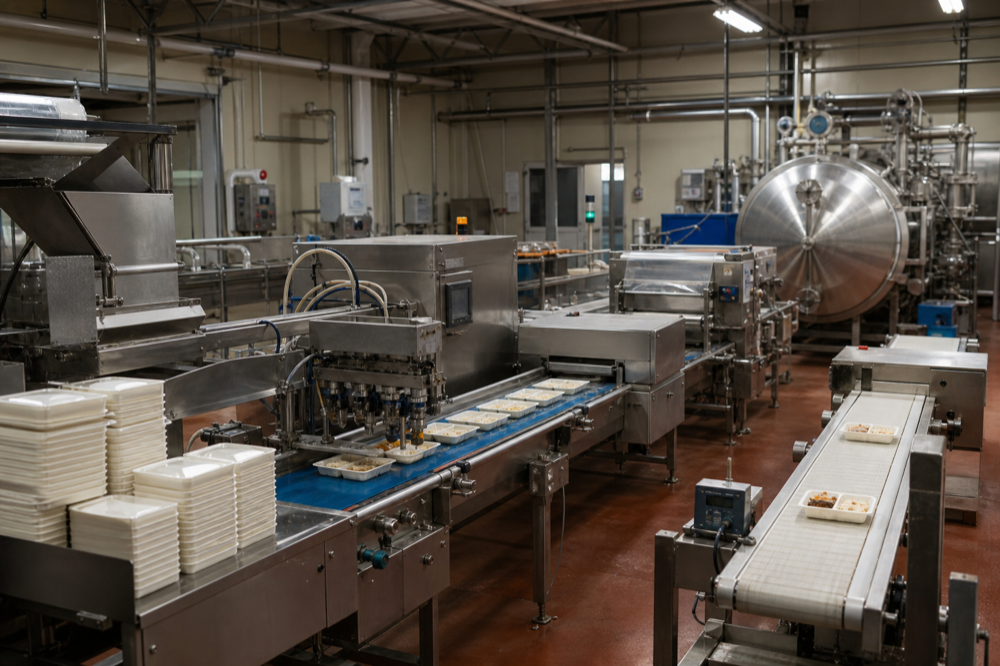
This diagram illustrates the Grid Factoring entry model. Actual connection scope depends on site qualification and individual commercial terms.
QUALIFICATION
A strong network begins with explainable factories, not the largest factory count.
Review manufacturing scope, permits, certifications, equipment, and operating team.
Check whether plans, work records, and quality information can be traced.
Validate standard interpretation and shop floor execution with one limited product.
Confirm the qualified scope and prepare the factory profile for future opportunity review.
ADOPTION
Keep current operations moving while you validate a smaller scope and find the right connection model for your factory.
Map the site and production scope.
Structure capability, equipment, quality, and capacity.
Align product standards with shop floor execution.
Validate fit and record flow with one product.
Prepare to review opportunities within the qualified scope.
This is not a diagnosis that ends in a report. We work toward an operation ready to connect.
ABOUT LEVELCOOK
LEVELCOOK is building an operating model that translates product requirements into manufacturing standards, qualifies factory capability, and coordinates the work required to move toward production.
LEVEL FACTORY is the transformation system that makes this connection possible.
GLOBAL PRODUCTION NETWORK
LEVEL FACTORY translates Korean product requirements for ingredients, process, quality, and packaging into a shared manufacturing language, then qualifies local production nodes capable of executing them. Product standards are designed in Korea, while production can take place closer to each market.

FIRST GATEWAY
Building on local partner agreements, LEVELCOOK is defining a locally suitable LEVEL FACTORY adoption structure. Local application of product standards, partner roles, and an initial pilot scope will be aligned before site qualification and definitive agreements.
CANDIDATE MARKET REVIEW
Candidate markets are not confirmed rollout locations. We review regulation, manufacturing conditions, demand relevance, and partner requirements before setting priorities.
Assessing a route shaped by food facility, import, quality, and traceability requirements.
Assessing manufacturing partners suited to halal production and regional export.
Assessing its potential for Southeast Asian business development, partnerships, and regional coordination.
Status as of July 2026. Candidate market review does not indicate a confirmed rollout or operating presence.
FOUNDING FACTORY PARTNERS
Assess the potential of your current operation before investing in more equipment. The first conversation covers potential product categories, readiness gaps, and a practical pilot scope.
We review your factory fit, readiness items, and potential next step based on the information provided.